
Engineering Safety by Design: The Future of Risk Mitigation in Fleet Operations
Safety is not an operational afterthought—it must be engineered into every mile. The future of risk mitigation lies in proactive, intelligent route design that systematically eliminates hazards like dangerous turns and meandering before a vehicle ever leaves the yard. By putting driver safety first, fleet operators can protect their crews and build more resilient community operations.
– 5 Min Read
In the solid waste and recycling industry, safety cannot remain a reactive policy or compliance checklist—it must be a core operational philosophy. Every day, collection operators navigate high-density residential streets, congested arterial corridors, and complex intersections under demanding schedules. When organizations view safety as a core value, risk mitigation shifts from responding to incidents to engineering hazards out of the workflow entirely.
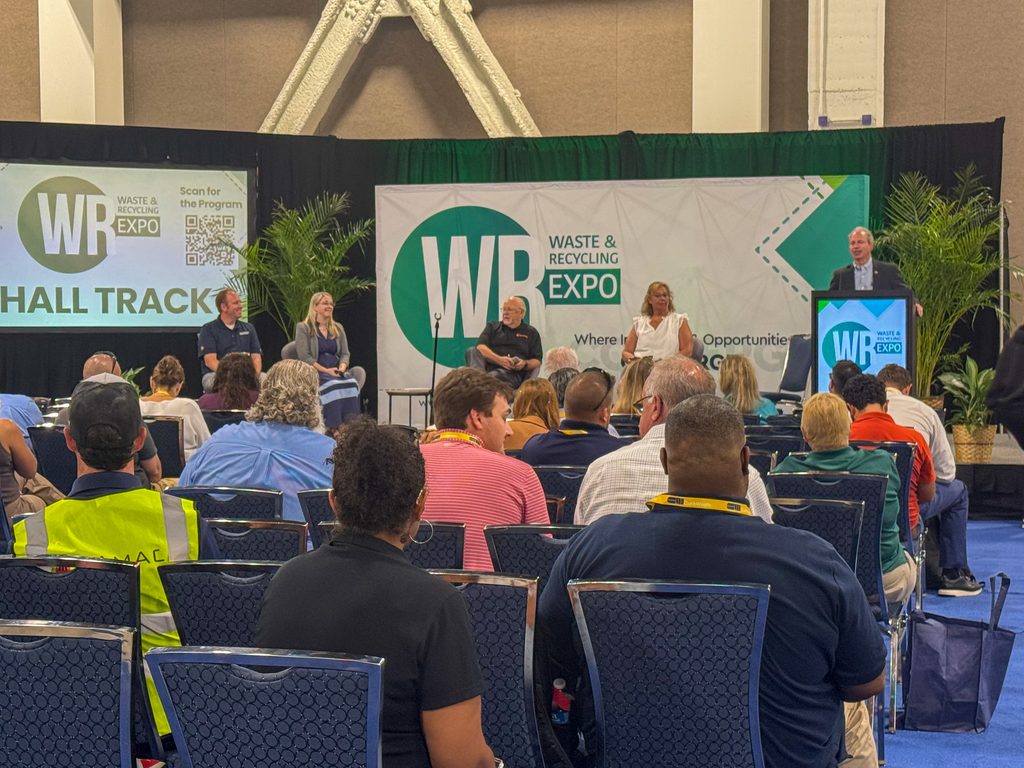
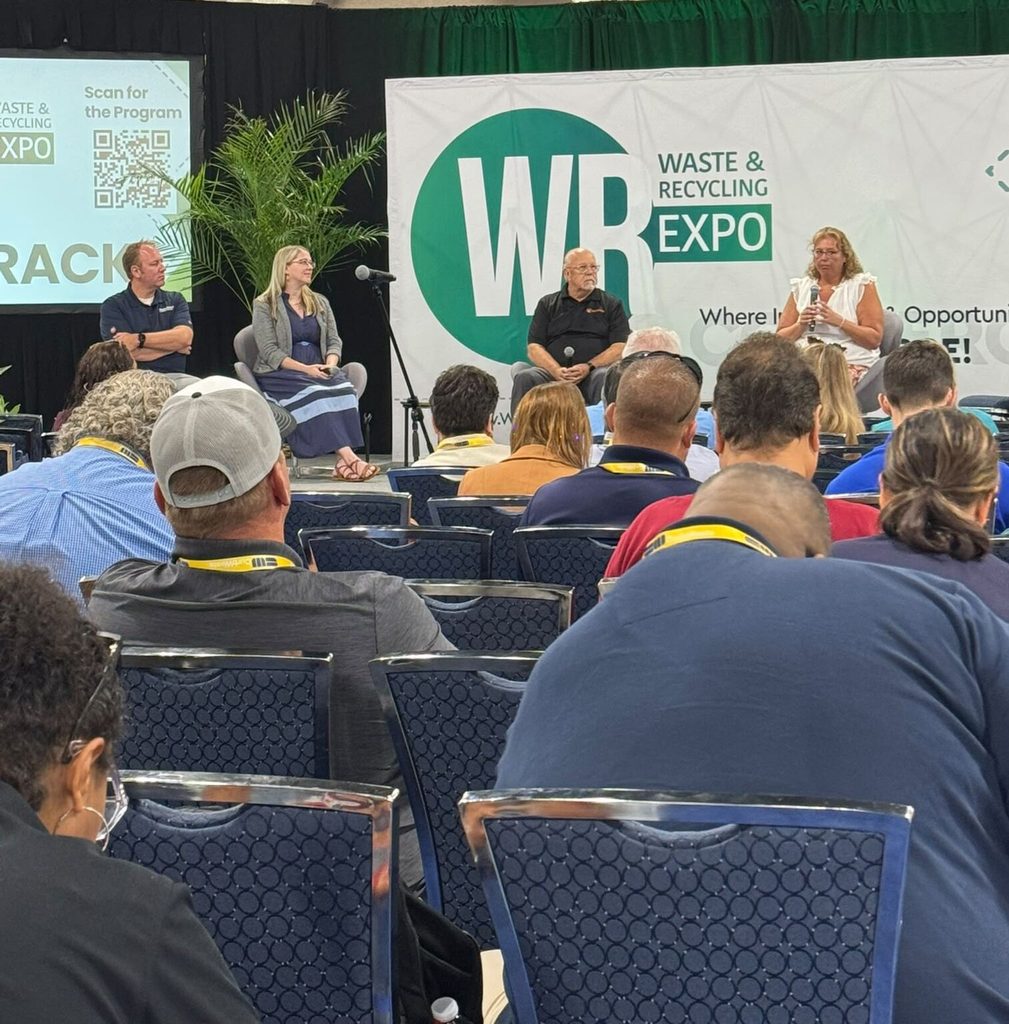
This forward-looking perspective on fleet safety was a central theme at the WR Expo (held August 12–13 in Fort Lauderdale). During an executive safety panel moderated by industry thought leader David Biderman, RouteSmart’s Business Development Executive Jon Knazur joined peers to examine how technology, operational culture, and strategic planning intersect to protect frontline workers. The takeaway was clear: building a resilient safety culture requires integrating proactive, preventative measures into every layer of daily execution.
Expanding the Safety Toolbox: Beyond Compliance to Prevention
A central insight from the WR Expo panel was that technology is an indispensable tool within a broader safety toolbox, not a standalone fix. Long-term risk reduction relies on a multi-layered ecosystem in which driver training, coaching, simulation, and digital planning reinforce one another.
Rather than overwhelming drivers with complex interfaces, forward-thinking organizations leverage intelligent planning to simplify the operating environment. By establishing clear, predictable route structures, operational leaders can significantly reduce driver fatigue and cognitive overload—two leading contributors to on-road incidents.
Eliminating Hazards at the Planning Level
When routes are poorly sequenced or left to ad hoc navigation, vehicles are repeatedly forced into high-risk maneuvers that increase collision risk. Proactive, intelligent route design eliminates these systemic risks before the vehicle ever leaves the yard:
- Minimizing High-Conflict Turns: Left turns across multi-lane, oncoming traffic are among the greatest hazards for heavy vehicles. Sequences that prioritize right-hand passes and curbside approaches drastically reduce intersection conflict points.
- Eliminating Meandering & Backtracking: Erratic driving patterns and neighborhood wandering disorient operators and increase exposure in pedestrian-heavy zones. Structured, compact route sequencing ensures clean, predictable vehicle progression.
- Mitigating Backing Incidents: Backing maneuvers remain one of the most frequent causes of property damage and serious injuries in municipal collection. Sophisticated route architecture prioritizes forward movement, systematically minimizing turnaround maneuvers and tight cul-de-sac reversals.
The Path Forward: Designing Safety into Every Mile
As municipalities and private haulers prepare for the future—marked by denser communities, evolving traffic patterns, and shifting workforce demographics—the mandate for safety-first operations will only intensify. At RouteSmart, safety is a core value that guides how we design modern routing technology. By uniting intelligent algorithmic optimization with real-world operating realities, the industry can build a safer future where route efficiency and driver protection advance hand in hand.