
Reverse Logistics: Turning Returns into a Strategic Advantage
In the modern e-commerce landscape, the customer's doorstep is no longer the final stop for a parcel. As global return volumes continue to soar, the initial collection of these returned goods presents a massive, often overlooked opportunity. Explore how intelligent route planning can seamlessly integrate return pickups with daily deliveries, slash operational costs, and turn a complex logistical challenge into a sustainable competitive advantage.
– 4 Min Read
In the age of e‑commerce, the journey of a parcel no longer ends at the customer’s doorstep — increasingly, it begins again.
Reverse logistics, the process of moving goods from consumers back to retailers, distributors or manufacturers, has evolved from an operational afterthought into a strategic priority across retail, automotive, pharmaceuticals, electronics and postal networks. Nearly 17% of retail sales in the United States were returned in 2024, representing more than $890 billion in goods. Europe sees similarly high rates, particularly in online fashion where 25–40% of purchases are returned. Practices such as ordering multiple sizes or colours with the intention of sending some back have normalised high‑volume returns behaviour.
For logistics operators worldwide, this is not a temporary surge — it is a structural shift.
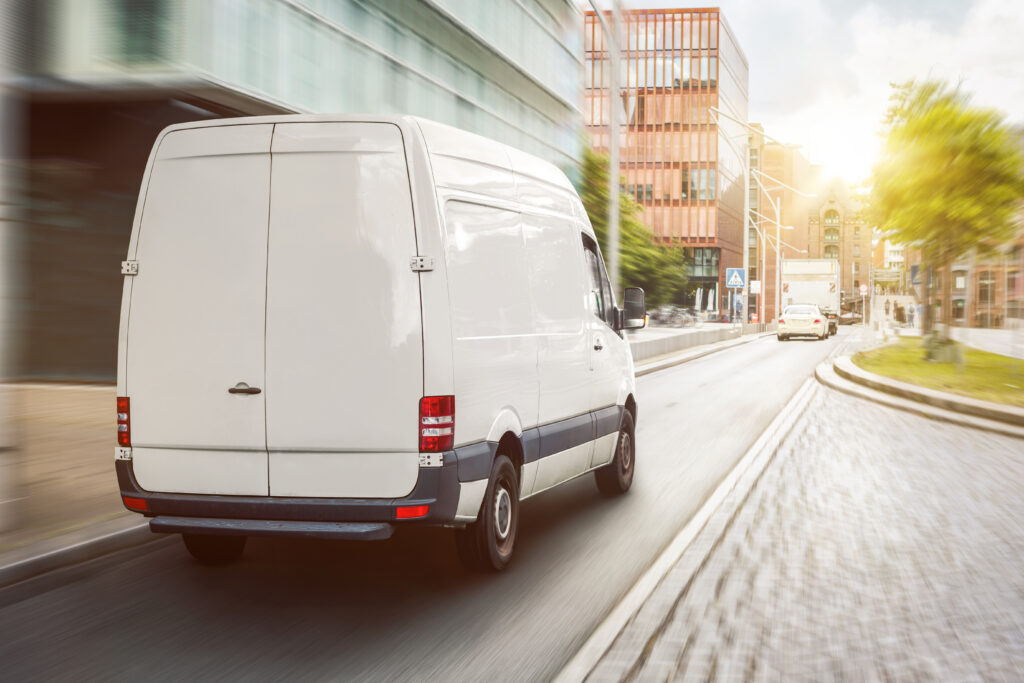
While much of the discussion around reverse logistics focuses on processing returned goods in distribution centres, a significant opportunity exists earlier in the journey: collecting items from customers and reintegrating them into the network. Often referred to as the “first mile” of reverse logistics, this stage mirrors the complexity of last‑mile delivery. Parcels must be collected from dispersed locations, integrated into transport networks and moved efficiently to processing facilities.
However, many organisations still treat return collections as an afterthought. Vehicles may be dispatched solely for returns, routes may be poorly consolidated and valuable vehicle capacity can go underused. As return volumes grow, particularly in dense urban environments, this approach quickly becomes costly.
Intelligent route planning provides a more efficient alternative. By integrating return pickups into daily delivery operations or optimised collection patterns, carriers can reduce miles driven, improve fleet utilisation and lower the cost per return. Even modest improvements in route efficiency can significantly reduce fuel use, labour hours and vehicle wear.

Faster collection also shortens the return cycle, allowing retailers to inspect, refurbish or restock items more quickly — particularly important for seasonal or fast‑moving goods. Route planning systems can also apply operational constraints, such as pairing pickups and deliveries within the same route to ensure logical sequencing.
Beyond cost and speed, optimised routes support sustainability goals by reducing emissions and unnecessary vehicle movements while improving customer experience through predictable pickup windows and convenient collection options.
As e‑commerce continues to expand, the ability to manage the first mile of returns efficiently will become a defining capability for logistics providers. Organisations that apply intelligent route planning to reverse logistics will be best positioned to transform returns from operational burden into strategic advantage.