
From Letter Carriers to Parcel Organizations: Rethinking Innovation in the Last Mile
At the APPU Postal Business Forum, industry leaders explored how posts are evolving into parcel-first organizations—and what true last-mile innovation really requires.
– 5 Min Read
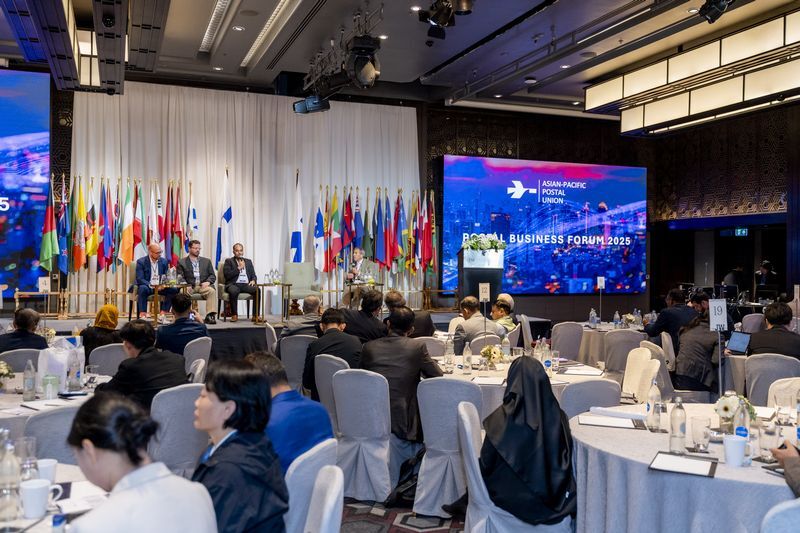
The postal industry is undergoing a fundamental shift. That reality was on full display at the 12th APPU Postal Business Forum in Bangkok, where postal leaders from across the Asia-Pacific region gathered to discuss how their organizations are adapting to declining letter volumes and sustained parcel growth.
A consistent theme emerged across sessions and conversations: posts can no longer think of themselves as letter carriers that also deliver parcels. Instead, they must operate as parcel organizations that also deliver letters. While the distinction may seem subtle, it has major implications for how last-mile operations are planned, executed, and measured.
I had the opportunity to participate in an on-stage panel focused on innovation in the last mile, alongside peers from Giro and Oni Group. One takeaway from that discussion was clear—innovation today is less about experimentation and more about operational realism. Last-mile success is increasingly defined by consistency, predictability, and how well delivery plans reflect what actually happens on the road.
Artificial intelligence was a popular topic throughout the forum, particularly in sessions centered on digital transition and last-mile transformation. But the conversations also reinforced an important truth: AI only delivers value when it is grounded in real-world conditions. Models that optimize routes without accounting for true traffic patterns, turn behaviors, or driver habits may look efficient on paper, but they often break down in execution.
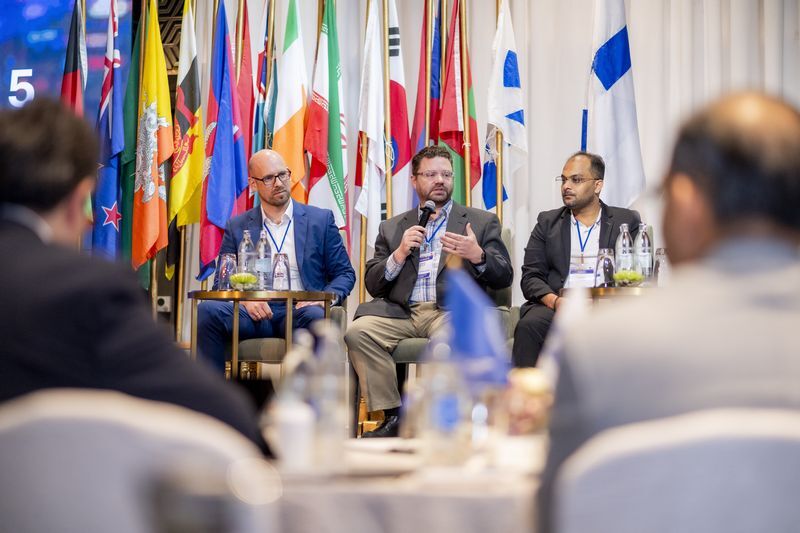
Aaron Nuffer, Senior Client Success Manager at RouteSmart, speaking on innovation in the last mile during a panel discussion at the APPU Postal Business Forum.
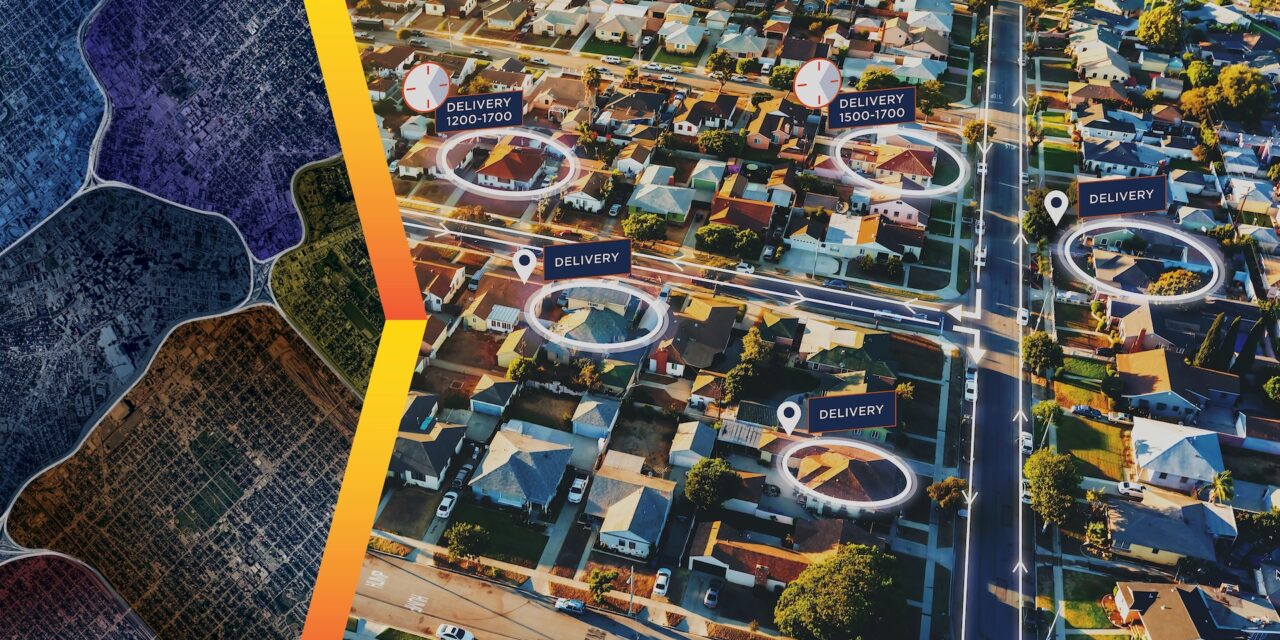
During the panel, I spoke about how RouteSmart is focused on closing that gap. With FedEx ownership opening new opportunities, we are better positioned to analyze fleet breadcrumb and speed data to understand how vehicles truly move through delivery areas. This insight allows route planning to more accurately represent real-world traffic conditions and turning behavior—especially in dense or complex service environments.
Equally important is how routes are sequenced. RouteSmart’s neighborhood-based modeling helps create more intelligent delivery sequences that align with natural travel patterns within a territory. When paired with anchor areas, this approach balances dynamic efficiency with driver familiarity. Routes can adapt to daily volume changes while still preserving the consistency drivers rely on in their core territories.
That balance came up repeatedly throughout the forum. Across sessions on last-mile innovation, global postal trends, and digital transformation, speakers emphasized the growing need for adaptability. Parcel growth, rising customer expectations, sustainability initiatives, and workforce challenges are all converging at the point of delivery.
For postal organizations, meeting those demands requires more than new tools—it requires a mindset shift. Intelligent route planning must turn data into decisions that drivers trust and that managers can explain. Innovation in the last mile is not about chasing buzzwords; it’s about creating delivery plans that reflect operational reality and scale with confidence.
A panel discussion on innovation in the last mile at the APPU Postal Business Forum, bringing together postal and technology leaders from across the Asia-Pacific region.
As posts continue to evolve into parcel-first organizations, those that invest in realistic, data-driven route planning will be best positioned to compete in an increasingly complex last-mile landscape.