Golden State Water Boosted Inspections from a Few Hundred to More Than 1,000 Per Year
– 2 Min Read
Achieving Complete Compliance and Digital Transformation
Golden State Water dramatically increased inspection capacity, expanding from a few hundred hydrant and valve inspections per year to more than 1,100 annually. The water utility moved from having no digital maintenance records to maintaining complete digital documentation for compliance. This gave them a reliable way to track assets and more easily meet California Public Utilities Commission requirements over a multi-year cycle.
Navigating Complex State Mandates Across Sprawling Districts
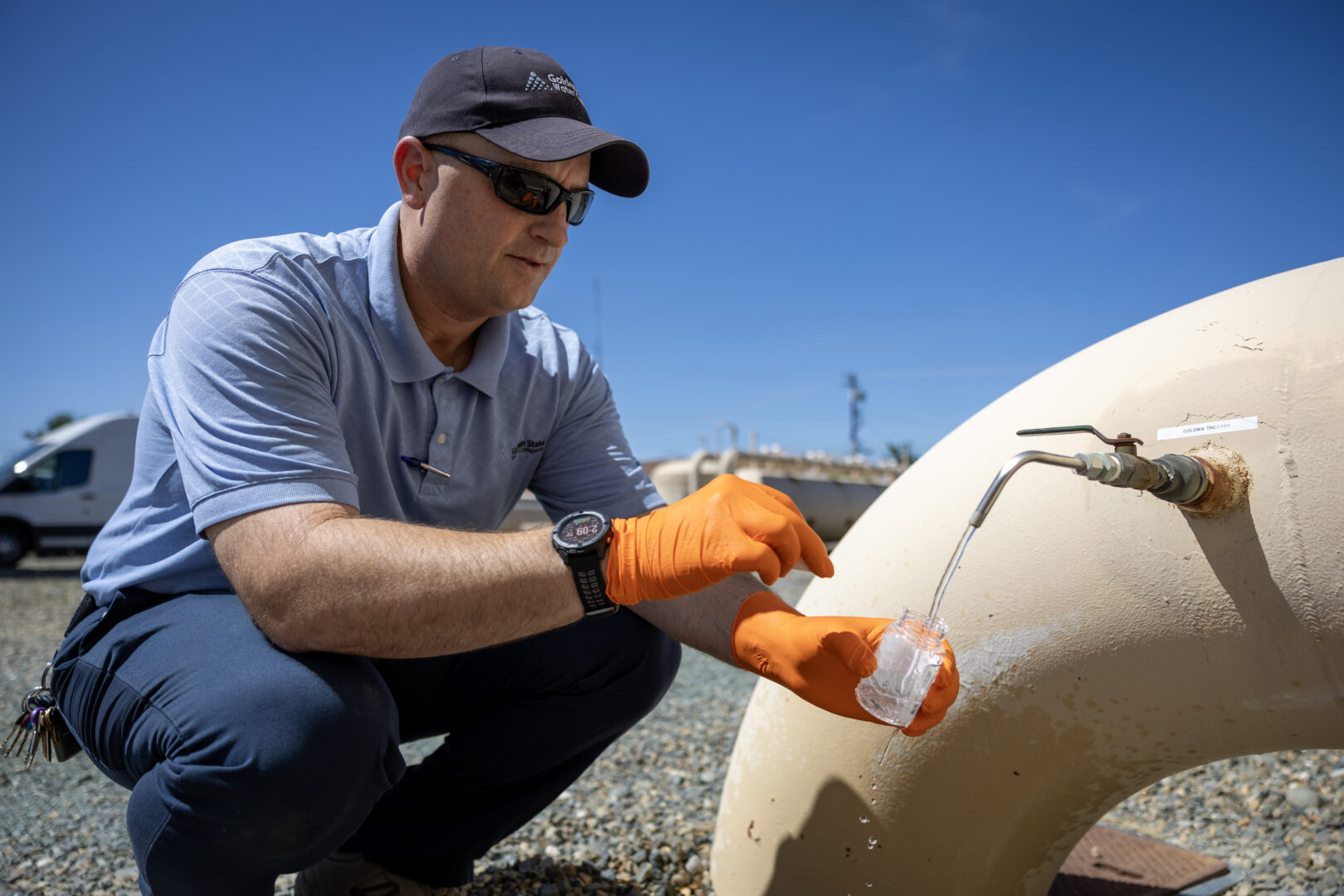
Golden State Water manages 41 water distribution systems spread across California, divided into three regions and seven districts. Under state regulations, the utility is required to inspect all fire hydrants every three years and all system isolation valves every five years to remain in compliance with G103. Prior to modernizing their approach, the utility lacked a formalized routing framework to handle this large and ongoing compliance workload.
Manual Planning Slows Progress
Without an optimized system, the inspection workflow was highly manual and relied entirely on the tribal knowledge of experienced operators. Supervisors would pull out paper map books, point to specific neighborhoods, and instruct crews to simply drive around looking for hydrants. Operators constantly had to backtrack or manually resequence their stops on the fly, especially when navigating areas with brand new developments or added accessory dwelling units. This manual method left the organization with virtually no digital footprint of their maintenance work and severely limited their daily service capacity.
Implementing Intelligent Routing
To modernize its inspection workflow, Golden State Water implemented RouteSmart Engine, a route optimization API, and RouteSmart Plan, a route planning solution for ArcGIS Pro. Integrated with the utility’s Cityworks and ArcGIS Pro environments, the solutions helped transform how inspection routes are planned and managed.
The team now loads facility and service point data into RouteSmart to automatically create optimized, sequenced inspection routes for the year. Field operators can then follow those planned routes digitally in the field. Golden State Water also implemented custom scripts to balance inspection workloads across regions, helping ensure that required valves and hydrants are serviced within the appropriate timeframe while distributing work more evenly across the team.